
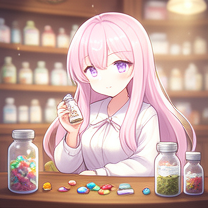
Navigating the Apotheke: My First Forays into German Pharmacy
Okay, so here I am, six months in Berlin, and let’s be honest, the first few weeks were a blur of “Entschuldigung,” “Danke,” and sheer panic. I’d managed to order coffee and groceries, but the idea of going to the Apotheke – the pharmacy – filled me with dread. It felt so…official. So much was at stake. I needed to get my prescription filled, and suddenly, everything felt incredibly complicated.
The Initial Fear: “Ich brauche…”
My first attempt was, to put it mildly, a disaster. I walked into the Apotheke near my apartment and, completely overwhelmed, blurted out, “Ich brauche…das Medikament!” (I need…the medication!). The pharmacist, a very kind woman named Frau Schmidt, raised an eyebrow. She spoke slowly, and I realized I hadn’t even said what medication!
She gently asked, “Was genau brauchen Sie?” (What exactly do you need?). I mumbled something about my migraine, and she patiently started writing things down. It quickly became clear I needed to be more specific.
Essential Vocabulary for the Apotheke
Here’s what I’ve learned is actually useful to know:
- Das Rezept: (The prescription) – This is crucial. Always have it with you.
- Schmerzmittel: (Painkillers) – Paracetamol (Acetaminophen) is super common.
- Mittel gegen Kopfschmerzen: (Medicine for headaches) – I’ve found Ibuprofen helpful.
- Allergie: (Allergy) – Ich bin allergisch gegen… (I am allergic to…) – Be very clear about this!
- Nebenwirkungen: (Side effects) – It’s good to ask about this: “Haben Sie Nebenwirkungen?” (Do you have side effects?).
- Dosierung: (Dosage) – “Wie dosiere ich das Medikament?” (How do I take the medication?).
- Apotheke: (Pharmacy) – Obviously!
A Real Conversation: Ordering a Simple Painkiller
I finally managed a slightly smoother conversation last week. I needed ibuprofen for a sore throat. Here’s how it went:
- Me: “Guten Tag, ich brauche Ibuprofen.” (Good day, I need ibuprofen.)
- Frau Schmidt: “Müssen Sie etwas gegen Ihre Halsschmerzen nehmen?” (Do you need something for your sore throat?)
- Me: “Ja, bitte. Ich brauche 200mg Ibuprofen.” (Yes, please. I need 200mg of ibuprofen.)
- Frau Schmidt: “Gerne. Haben Sie Allergien?” (Certainly. Do you have any allergies?)
- Me: “Nein, keine.” (No, none.)
- Frau Schmidt: “Dann können Sie das Medikament nehmen. Bitte lesen Sie die Packungsbeilage.” (Then you can take the medicine. Please read the package insert.)
Common Mistakes and How to Avoid Them
I’ve made a few embarrassing mistakes already. The biggest one was assuming every medication was the same. Turns out, 200mg of Ibuprofen from one brand is different than 200mg from another. I learned this the hard way after a pharmacist patiently explained the differences in active ingredients. It’s important to always state the brand you need: “Ich brauche Ibuprofen von DM.” (I need Ibuprofen from DM – a common drugstore chain here).
Another thing? Asking “Ist das teuer?” (Is this expensive?) before giving them the prescription! It’s considered impolite to immediately question the price. Wait until they tell you the total.
The Importance of “Bitte” and “Danke”
Seriously, people here love “Bitte” (please) and “Danke” (thank you). Using them liberally, even when you’re feeling frustrated, makes a huge difference. I’ve learned that a polite “Danke, das ist sehr freundlich” (Thank you, that is very kind) after they help you goes a long way.
My Next Steps: Building Confidence
I’m still nervous, but I’m starting to feel a little more comfortable. My goal now is to go to the Apotheke at least once a week, just to practice. I’m also downloading a German-English pharmacy dictionary app – I’m definitely going to need it!
Learning about the Apotheke has been a surprisingly valuable experience. It’s more than just getting medication; it’s about navigating daily life in Germany and building a little confidence along the way. Viel Erfolg! (Good luck!)
—
Would you like me to generate another section focusing on a specific aspect, such as requesting advice from the pharmacist, asking about interactions between medications, or ordering over-the-counter remedies?

Leave a Reply