
Getting My Bearings: Small Talk in My German Neighborhood
Okay, so I’ve been in Berlin for six months now, and honestly, the biggest challenge hasn’t been learning Sprach (language). It’s been figuring out how to sprechen – actually talking to people. I can understand a lot, and I can string together sentences, but real conversations, especially with neighbors, felt… elusive at first. Then I realized I was focusing too much on perfect grammar and not enough on just… chatting. That’s when I started trying to master “Small Talk” – Smalltalk – and it’s made a huge difference.
The First Encounter: Frau Schmidt and the Roses
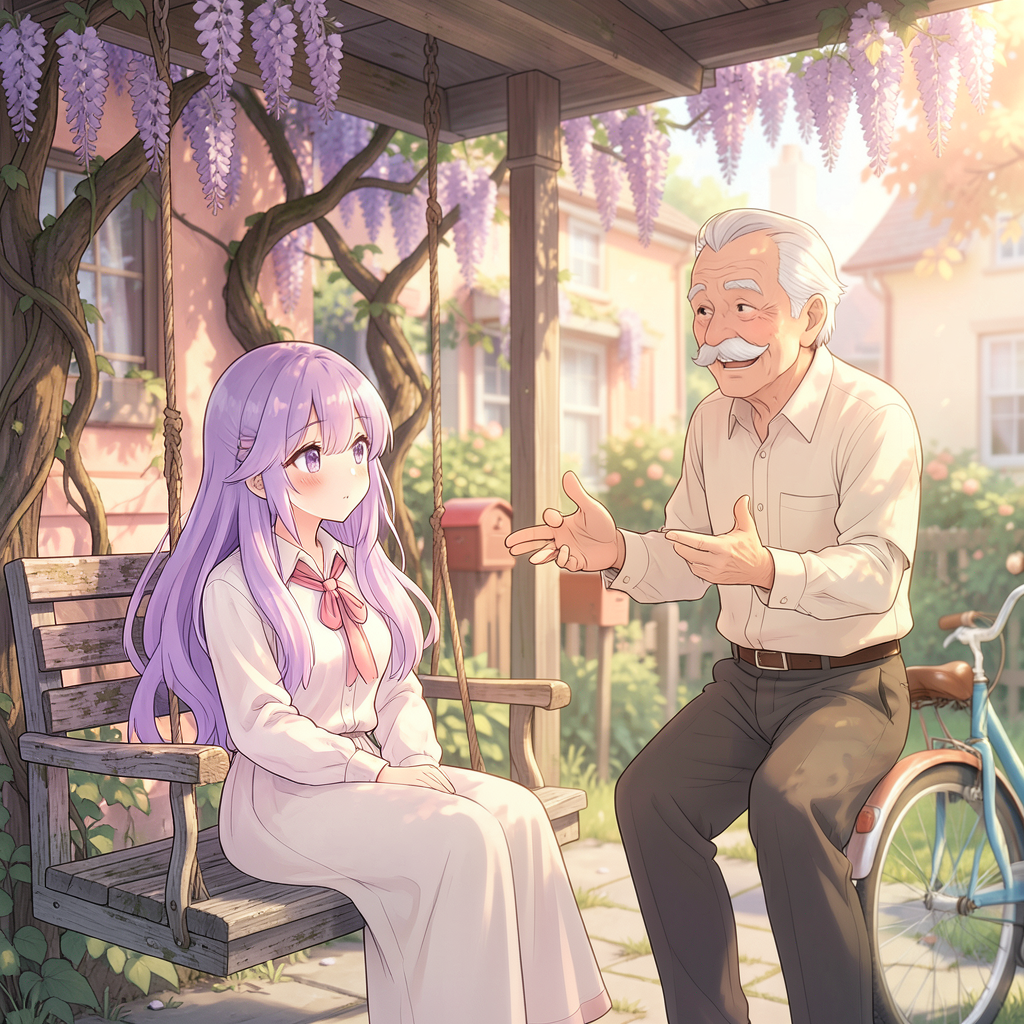
It started with Frau Schmidt next door. She’s a lovely older woman, always tending to her roses. The other day, I was bringing in groceries and I said, “Guten Morgen, Frau Schmidt! Ihre Rosen sehen wunderschön aus!” (Good morning, Mrs. Schmidt! Your roses look beautiful!). She looked surprised, then smiled and said, “Ach, danke, mein Junge! Ich liebe es, zu gärtnern.” (Oh, thank you, my boy! I love gardening). I completely froze. I hadn’t realized “mein Junge” (my boy) was a slightly…awkward greeting. I quickly corrected myself, saying “Vielen Dank!” (Thank you very much!) and that was my first real, slightly panicked, but successful interaction. It highlighted a really important point: Germans value politeness and a friendly tone way more than flawless grammar.
Essential Phrases for Neighborhood Greetings
Here are some phrases I’ve found really useful:
- “Guten Tag!” (Good day!) – This is the standard greeting.
- “Wie geht es Ihnen/dir?” (How are you?) – Ihnen is formal (for older people or someone you don’t know well), dir is informal (friends, neighbors).
- “Mir geht es gut, danke.” (I’m fine, thank you.) – A safe, polite response.
- “Was machen Sie/machst du?” (What are you doing?) – Again, Sie or du depending on formality.
- “Schönes Wetter heute!” (Nice weather today!) – A classic opener.
- “Ich bin neu hier.” (I’m new here.) – Very useful if you want to explain why you might not know everyone.
Misunderstandings and Gentle Corrections
Last week, I was trying to compliment Mr. Müller’s new bike. I wanted to say, “Das ist ein schönes Fahrrad!” (That’s a nice bicycle!). But I got it completely wrong. I said, “Das ist ein schönes Huhn!” (That’s a nice chicken!). Mr. Müller stared at me, then burst out laughing. My neighbor, Klaus, immediately jumped in and corrected me, saying, “Nein, nein, Fahrrad! Huhn ist ein Vogel!” (No, no, bicycle! Huhn is a chicken!). It was mortifying, but Klaus was incredibly patient and explained that the -chen ending on words sometimes makes them sound like different words. I learned a valuable lesson: don’t be afraid to make mistakes – people appreciate the effort, and they’re often happy to help.
Talking About Local Events – Der Nachbarschaftsverein
I went to a meeting of the Nachbarschaftsverein (Neighborhood Association) last week. It was fascinating! People were talking about the upcoming Weihnachtsmarkt (Christmas market) and a street cleaning project. I heard someone say, “Wir müssen die Straßen sauber halten.” (We need to keep the streets clean.) and I realized I needed to learn more about local initiatives. I asked, “Wie können wir helfen?” (How can we help?) and a woman named Alice suggested I volunteer at the market. It felt good to actually contribute.
Small Talk Topics That Actually Work
Here’s what seems to be genuinely popular:
- The Weather: Seriously, immer the weather. “Ist es nicht kalt heute?” (Isn’t it cold today?) is a regular.
- Local News: People are interested in what’s happening in the city. “Haben Sie die Nachrichten gesehen?” (Have you seen the news?)
- Hobbies: “Was machen Sie gern in Ihrer Freizeit?” (What do you like to do in your free time?) is a good way to find common ground. I’ve discovered a lot of people enjoy hiking (Wandern) and cycling (Radfahren).
- Food: “Haben Sie ein gutes Rezept?” (Do you have a good recipe?) – Always a winner!
My Next Steps
I’m still learning, of course. My goal is to try and have at least one short conversation with a neighbor each day. I’m going to focus on practicing these phrases and don’t worry so much about being perfect. I’m even planning to offer to help Frau Schmidt with her roses – even if I end up saying “schönes Huhn!” again. Komm gesund hin! (Come, be healthy!) – that’s my motto for navigating the world of German small talk.

Leave a Reply