
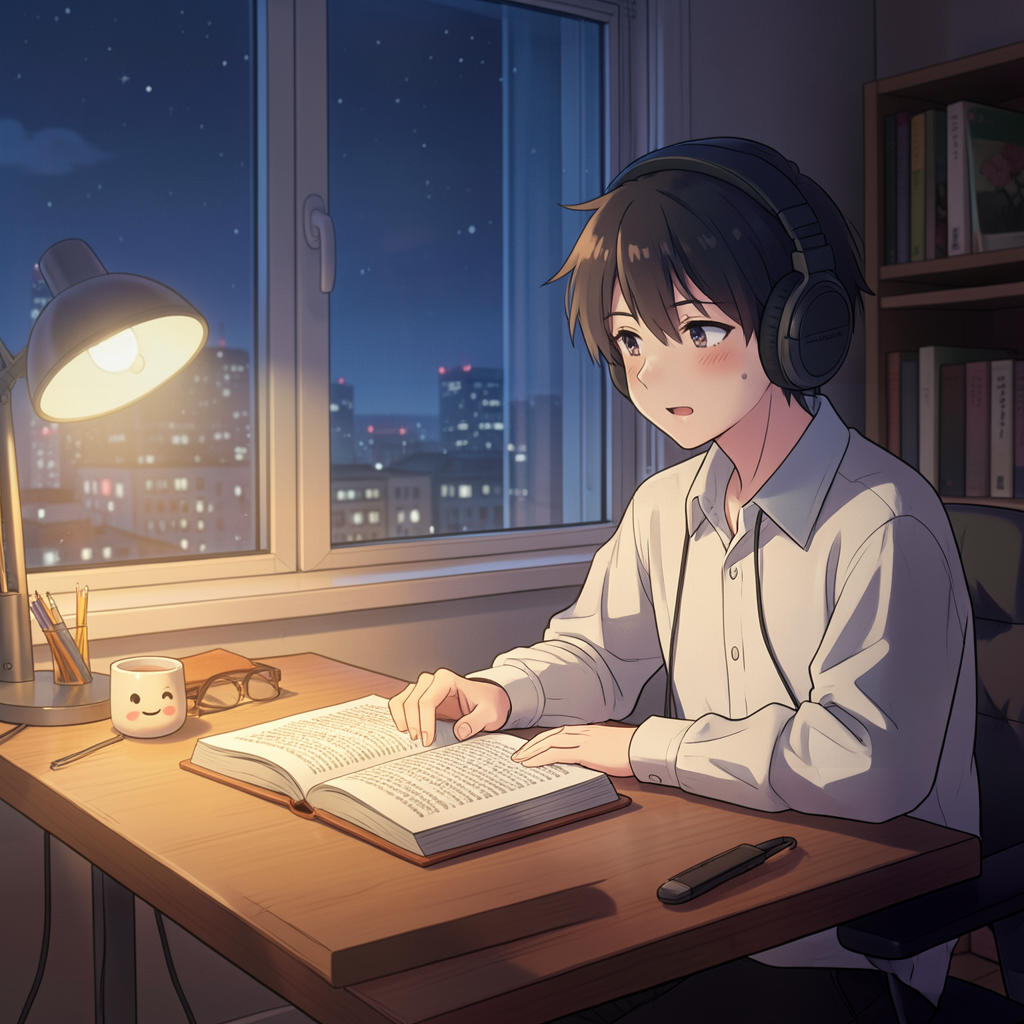
Okay, here’s an article about listing current hobbies and leisure activities, written as requested:
Meine Hobbys und Freizeit – Wie ich das auf Deutsch sage
Hello! My name is John Doe, and I’m learning English. Today, I want to help you talk about your hobbies and what you do in your free time in German. It’s really important to be able to express this when you meet new people or at work.
Was bedeutet das?
“Meine Hobbys und Freizeit” means “my hobbies and leisure activities.” Let’s break it down:
- Meine* – my
- Hobbys* – hobbies
- und* – and
- Freizeit* – leisure time
Wie man es sagt
There are a few ways to say this. Here are some common phrases:
- “Ich habe viele Hobbys.” – “I have many hobbies.”
- Example: “Ich habe viele Hobbys. Ich spiele Gitarre und lese Bücher.” (I have many hobbies. I play guitar and read books.)
- “In meiner Freizeit mache ich…” – “In my free time, I do…”
- Example: “In meiner Freizeit mache ich gerne Yoga.” (In my free time, I like to do yoga.)
- “Ich verbringe meine Freizeit mit…” – “I spend my free time with…”
- Example: “Ich verbringe meine Freizeit mit meiner Familie.” (I spend my free time with my family.)
Beispiele für Hobbys
Here are some words you can use to describe your hobbies:
- Lesen* – to read
- Sport treiben* – to do sports
- Musik hören* – to listen to music
- Fotografieren* – to take photographs
- Kochen* – to cook
- Gärtnern* – to garden
- Malen* – to paint
Im Alltag und bei der Arbeit
Let’s say you are meeting someone new at a work event. You could say:
“Hallo, ich heiße John Doe. Ich habe einige Hobbys. Ich spiele gerne Fußball und ich lese oft.”
(Hello, my name is John Doe. I have some hobbies. I like to play football and I often read.)
Or, if you’re talking to a colleague:
“Wie verbringst du deine Freizeit?” – “How do you spend your free time?”
Zusammenfassung
Learning to talk about your hobbies is a great way to connect with others. Use these phrases and vocabulary to build your German conversation skills. Viel Glück! (Good luck!)

Leave a Reply