
My First Steps into a German Ausbildung: Talking About Vocational Training
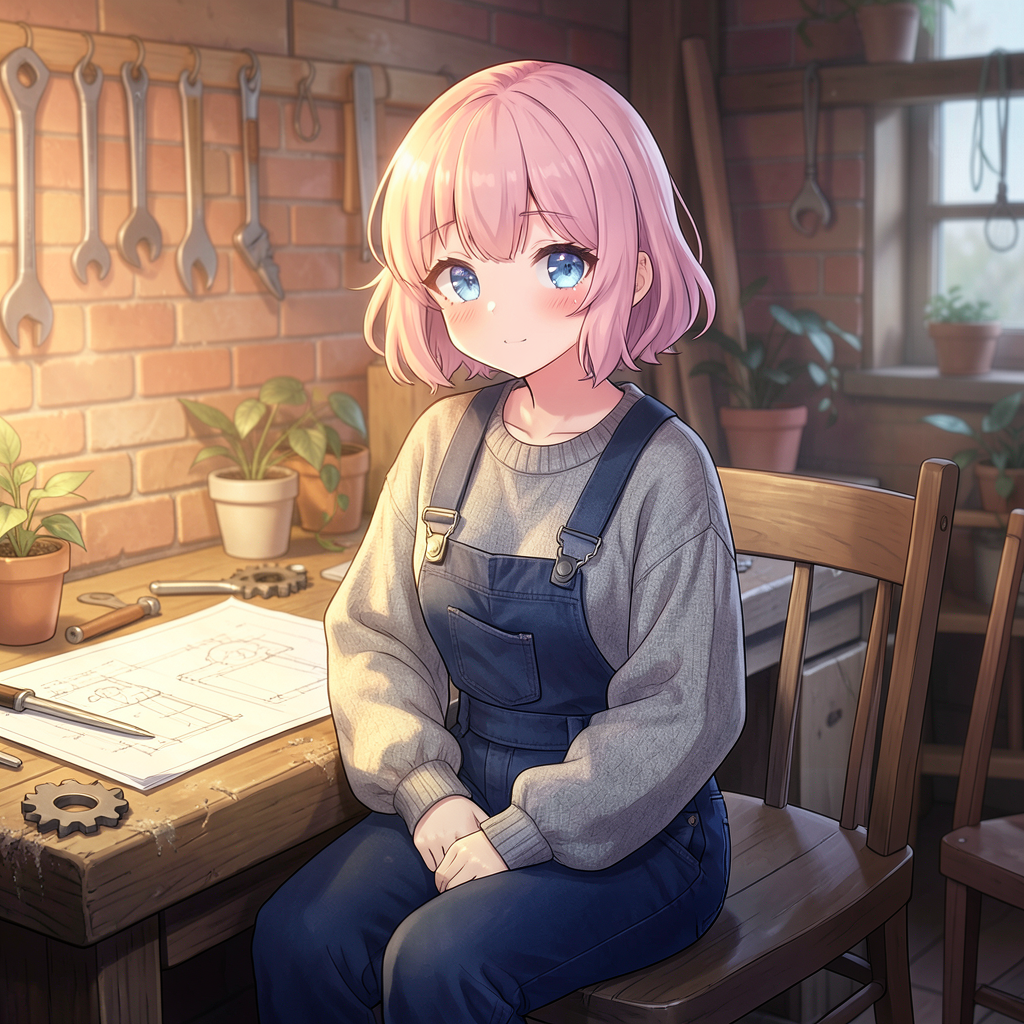
Okay, so, here I am. Six months in Germany, and I’m finally starting to feel like I’m getting my head around things. It’s been a whirlwind, honestly. Moving here was huge, but trying to navigate the whole ‘Ausbildung’ system has been…well, let’s just say it’s given me a serious case of the jitters. I’m doing a Praktikum (internship) at a small metal workshop, and I realized I was completely lost when it came to actually talking about my training. Not just ordering a coffee, you know?
The Initial Confusion – “Was machen Sie?”
The very first day, my supervisor, Herr Schmidt, asked me, “Was machen Sie?” (What do you do?). I completely froze. My German is okay, I can manage ordering food and asking for directions, but the concept of an ‘Ausbildung’ felt so…formal. I mumbled something about university, which, looking back, was a massive mistake. He just raised an eyebrow and said, “Ah, du bist Student? Das ist gut, aber hier wir eine Ausbildung machen.” (Ah, you’re a student? That’s good, but here we make an apprenticeship). That’s when it hit me – I needed to learn the specific vocabulary.
Key Phrases for Talking About My Ausbildung
Here’s what I’ve learned, and what’s actually useful:
- Ich mache eine Ausbildung: (I’m doing an apprenticeship). This is the core phrase. I use it constantly.
- Meine Ausbildung ist…: (My apprenticeship is…) – followed by the type of apprenticeship. For example, “Meine Ausbildung ist im Metallbau.” (My apprenticeship is in metal construction).
- Ich lerne…: (I’m learning…) – “Ich lerne das Zeichnen von Metallteilen.” (I’m learning to draw metal parts).
- Ich arbeite mit…: (I’m working with…) – “Ich arbeite mit einer Drehbank.” (I’m working with a lathe).
- Die Ausbildung dauert…: (The apprenticeship lasts…) – “Die Ausbildung dauert drei Jahre.” (The apprenticeship lasts three years).
- Ich möchte…: (I would like to…) – This is really useful when you want to express your goals. “Ich möchte später ein Techniker werden.” (I would like to become a technician later).
A Typical Conversation – Asking About Training
I had a slightly awkward conversation with a colleague, Thomas, last week. I wanted to ask him about his Ausbildung and see if he thought I was learning enough. I took a deep breath and said, “Thomas, ich mache eine Ausbildung im Metallbau. Wie lange dauert deine Ausbildung?” (Thomas, I’m doing an apprenticeship in metal construction. How long does your apprenticeship last?). He smiled and replied, “Die dauert vier Jahre, wenn du dich richtig engagierst! Aber jetzt machst du nur ein Praktikum, nicht richtig eine Ausbildung, oder?” (It lasts four years if you really commit! But you’re only doing an internship, not really an apprenticeship, right?).
I felt a little deflated, but he was right. My Praktikum is just a trial period. I needed to be clearer about my intentions.
Common Misunderstandings & How to Handle Them
There were a few times when I accidentally confused things. Once, I told someone I was studying “Metallbau” (metal construction), and they looked at me like I was crazy! Apparently, that’s a specific course within an Ausbildung. I quickly corrected myself and explained I was doing an apprenticeship in metal construction. It’s important to be precise.
Another time, I said, “Ich habe eine Ausbildung in Metallbau” (I have an apprenticeship in metal construction). This sounded incredibly impressive, but it’s a bit different. It’s more like saying “I have completed an apprenticeship in metal construction.” For now, just stick to “Ich mache eine Ausbildung…”
Small Wins & Feeling More Confident
Despite the initial confusion, I’m starting to feel more comfortable. I practiced saying “Ich lerne…” a lot, and Herr Schmidt even gave me a small compliment: “Gut, dass du dich einbringst!” (Good that you are getting involved!). It felt amazing.
I’m still making mistakes, of course. My pronunciation of “Drehbank” is still atrocious, and I occasionally use the wrong vocabulary. But I’m learning, and honestly, that’s what matters. I’m slowly building up the confidence to talk about my Ausbildung and my future goals.
Next Steps: Research and Asking More Specific Questions
I’m planning to research different types of Ausbildungen online – there are so many! I also want to start asking more specific questions about the skills I’m learning and the career paths they lead to. Maybe I’ll even ask Herr Schmidt for advice about what kind of training would be most useful for me later on.
“Ich denke, ich muss mehr fragen!” (I think I need to ask more questions!). That’s the key, isn’t it? Keep learning, keep asking, and keep practicing. Das ist der Weg! (That’s the way!).

Leave a Reply