
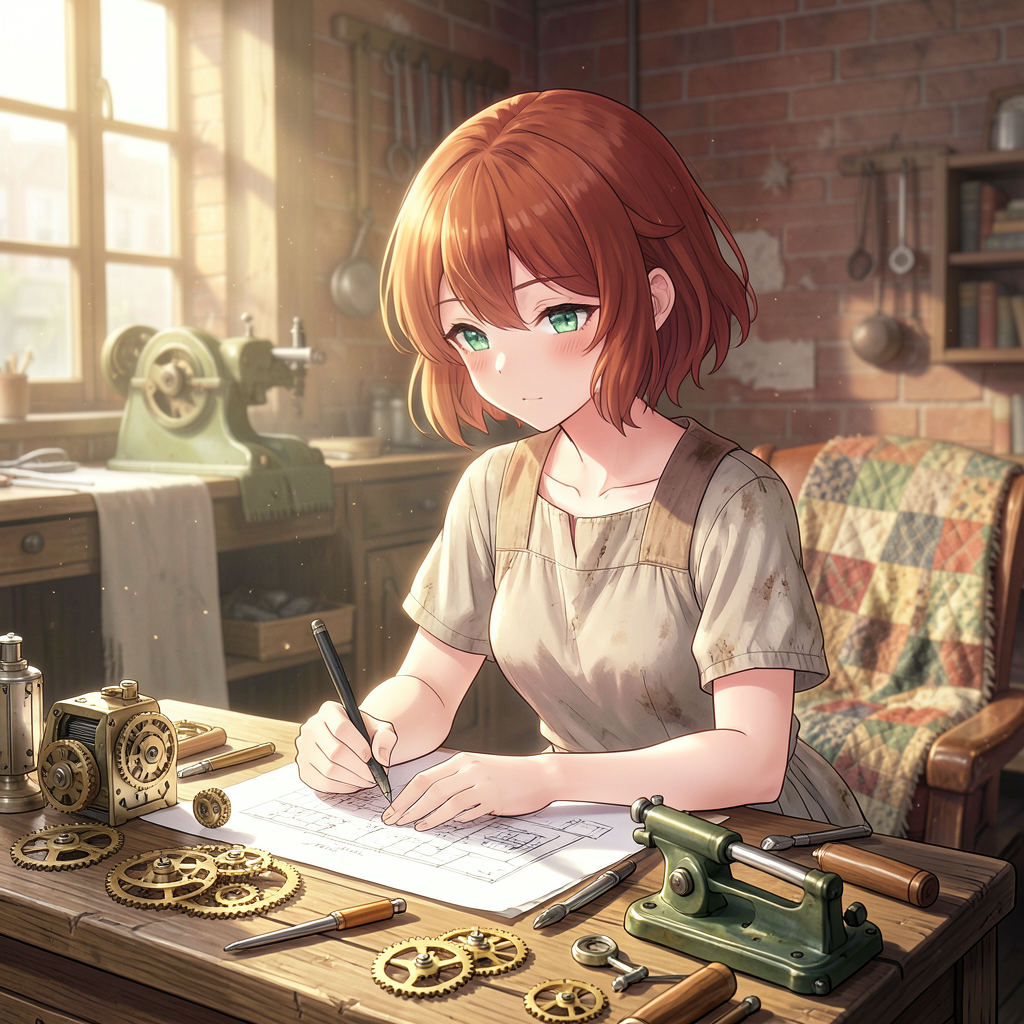
My Journey Through ‘Wiederaufbau’: Learning German Through Post-War Germany
Okay, so here I am, almost a year into living in Berlin. It’s amazing, truly, but learning German has been…well, a rollercoaster. I thought focusing on the ‘Wiederaufbau’ – the Reconstruction period after the war – would give me a really grounding connection to the language and the history of this country. It felt like a way to go deeper than just ordering a Bier or asking for directions. And honestly, it’s been hugely helpful.
First Impressions & The Weight of History
The first few months were just pure survival mode. “Wie geht es Ihnen?” “Mir geht es gut, danke.” It felt like everyone was politely assessing me, sizing me up as a foreigner. Then I started hearing stories – always from older people, usually at the Kaffeeklatsch (coffee meet-ups) at the bakery where I help out a couple of mornings a week. They’d talk about the Trümmer (rubble), the rationing, the shared hardship. I kept hearing phrases like, “Es war eine schwere Zeit” (It was a difficult time) and “Wir haben alles wieder aufgebaut” (We rebuilt everything).
One of my colleagues, Herr Schmidt, a retired carpenter, told me he’d been a young man during the war. “Ich habe mit meinen Händen geholfen,” he said, wiping sawdust from his apron. “Wir haben das Haus, Stein für Stein, wieder aufgebaut.” (I helped with my hands. We rebuilt the house, stone by stone.) It wasn’t a dramatic story, just a quiet, resilient one. It gave me a real sense of the scale of the effort.
Key Vocabulary – Words That Mattered
It wasn’t just about phrases either. I realized that a lot of the vocabulary directly related to the reconstruction was used constantly, even now.
- Abriss (Demolition): I started hearing it when people discussed old buildings being renovated, or even just when talking about the city’s past. “Dieser alte Winkel ist ein totaler Abriss” (This old corner is a total demolition).
- Reparatur (Repair): Everytime a mechanic fixed something – my bicycle, a lamp – they’d say “Das ist eine Reparatur” (That’s a repair).
- Wiederaufbau (Reconstruction): Obviously! But I started to hear it in contexts beyond just history books. “Der Wiederaufbau der Stadt war ein langer Prozess” (The reconstruction of the city was a long process).
- Rationierung (Rationing): Still used, though less frequently. I heard a conversation about my grandmother’s stories from the war and how they were rationiert (rationed).
Misunderstandings & Learning from Mistakes
Of course, I made a massive mess of things. I once tried to compliment a neighbor on his newly painted door and blurted out, “Das sieht gut abgebrochen aus!” (That looks well demolished!). He stared at me like I’d grown a second head. I quickly explained (with a lot of blushing!) that I meant ‘gut’ (good). It highlighted how easily my brain translated things literally, especially when dealing with words connected to such a difficult period.
Another time, I was asking for help finding a specific tool at the hardware store. I said, “Wo finde ich den Abbruchbagger?” (Where do I find the demolition excavator?). The young salesman looked utterly confused. I quickly corrected myself – “Ein Baggerschaufel” (A backhoe). It’s a reminder to always double-check, especially when you’re learning!
The ‘Wiederaufbau’ Today – Echoes of the Past
What’s really interesting is seeing how the spirit of ‘Wiederaufbau’ – rebuilding, restoring, renewing – still exists here. It’s not just about physical buildings. It’s in the community efforts, the small businesses that have sprung up, the artists revitalizing neglected neighborhoods. I’ve been volunteering with a local group that’s cleaning up a neglected park – “Wir machen den Park wieder auf” (We’re making the park up again!).
And I hear people talking about “den Geist des Wiederaufbaus” (the spirit of reconstruction), when they talk about overcoming challenges, adapting to change. It’s become a metaphor for resilience and hope.
My German: More Than Just Words
Learning German through the ‘Wiederaufbau’ has given me a much deeper appreciation for the language and the culture. It’s shifted my focus from simply mastering grammar rules to understanding the why behind the words. It’s given me a connection to a history that shaped this country, and it’s making my daily life here feel a whole lot more meaningful. I still make mistakes, I still stumble over words, but now I know that every conversation, every encounter, is a chance to learn and to connect. And that, I think, is a truly beautiful thing.

Leave a Reply